Anklets Through Time: Meaning, Origins & Why They’re More Than Just Jewellery
Anklets Through Time: Meaning, Origins & Why They’re More Than Just Jewellery
by Manjit Randhawa
Anklets Through Time: Meaning, Origins & Why They’re More Than Just Jewellery
There’s something effortlessly beautiful about an anklet. It’s delicate, feminine, and adds a subtle sparkle that can completely elevate your outfit. Whether worn with sandals on holiday, paired with heels for an evening look, or styled casually every day, anklets have remained a timeless jewellery favourite across cultures for centuries.
At Ava’s Accessory Box, we love how anklets blend fashion with meaning — and yes, we have gorgeous styles in stock ready for you to shop.
What Is an Anklet?
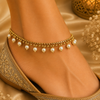
An anklet is a decorative piece of jewellery worn around the ankle. Depending on where you are in the world, anklets come in different styles, materials, and cultural meanings. Some are delicate chains, while others include charms, beads, gemstones, or bells.
They’re stylish, versatile, and one of the easiest ways to accessorise — whether your style is minimal, boho, glam, or elegant.
The Origin of Anklets
Anklets are far from a modern fashion trend. In fact, they date back thousands of years.
Historians believe anklets originated in Ancient Egypt, where women wore them as symbols of wealth and status. Precious metals like gold were often worn by wealthier women, while simpler materials were used by working-class women.
In India, anklets have deep cultural significance and have been worn for centuries as part of traditional jewellery. They are often associated with femininity, marriage, and celebration, especially during weddings and festivals.
Over time, anklets spread across different regions including the Middle East, Asia, and Europe — evolving from symbolic jewellery into fashionable accessories loved worldwide.
Anklets Around the World: Different Names & Meanings
Depending on culture and tradition, anklets are known by many names.
Payal (India)
One of the most recognised names for anklets is Payal (also spelled Paayal). Traditionally worn in India, payals are often silver and sometimes include tiny bells that create a soft jingling sound while walking.
In Indian culture, payals can symbolise:
Beauty and femininity
Marriage and tradition
Celebration and special occasions
Grace and elegance
Pajeb
Another traditional name used in parts of India and South Asia is Pajeb, often referring to heavier or more decorative anklets.
Khalkhal
In Middle Eastern cultures, anklets are sometimes referred to as Khalkhal, often worn as ornate jewellery and admired for their intricate designs.
Modern Fashion Anklets
Today, anklets are mostly worn as fashion statements. Some people wear them for style, while others love the personal meaning behind charms or gemstones.
Popular styles include:
Minimal chain anklets
Gold or silver anklets
Charm anklets
Beaded summer anklets
Layered ankle jewellery
Adjustable everyday anklets
Does It Matter Which Ankle You Wear It On?
One of the most common questions is whether wearing an anklet on a certain ankle means something.
Historically, meanings have varied between cultures and time periods. Today, there’s no strict rule — most people simply wear anklets on whichever ankle feels most comfortable or best suits their outfit.
Fashion first!
Why Anklets Are So Popular Again
Anklets have made a huge comeback in modern fashion because they’re: ✔ Easy to style ✔ Perfect for holidays and summer looks ✔ Elegant yet subtle ✔ Great for stacking and layering ✔ A beautiful finishing touch to any outfit
They instantly add a feminine, polished look without feeling overdone.
Shop Stylish Anklets at Ava’s Accessory Box
Whether you love dainty everyday pieces or eye-catching statement styles, Ava’s Accessory Box has anklets to suit every vibe.
We’ve got beautiful anklets in stock now, ready to add the perfect finishing touch to your jewellery collection.
✨ Browse our anklet collection today and find your new favourite piece. Your ankles deserve accessories too!

 Skip to content